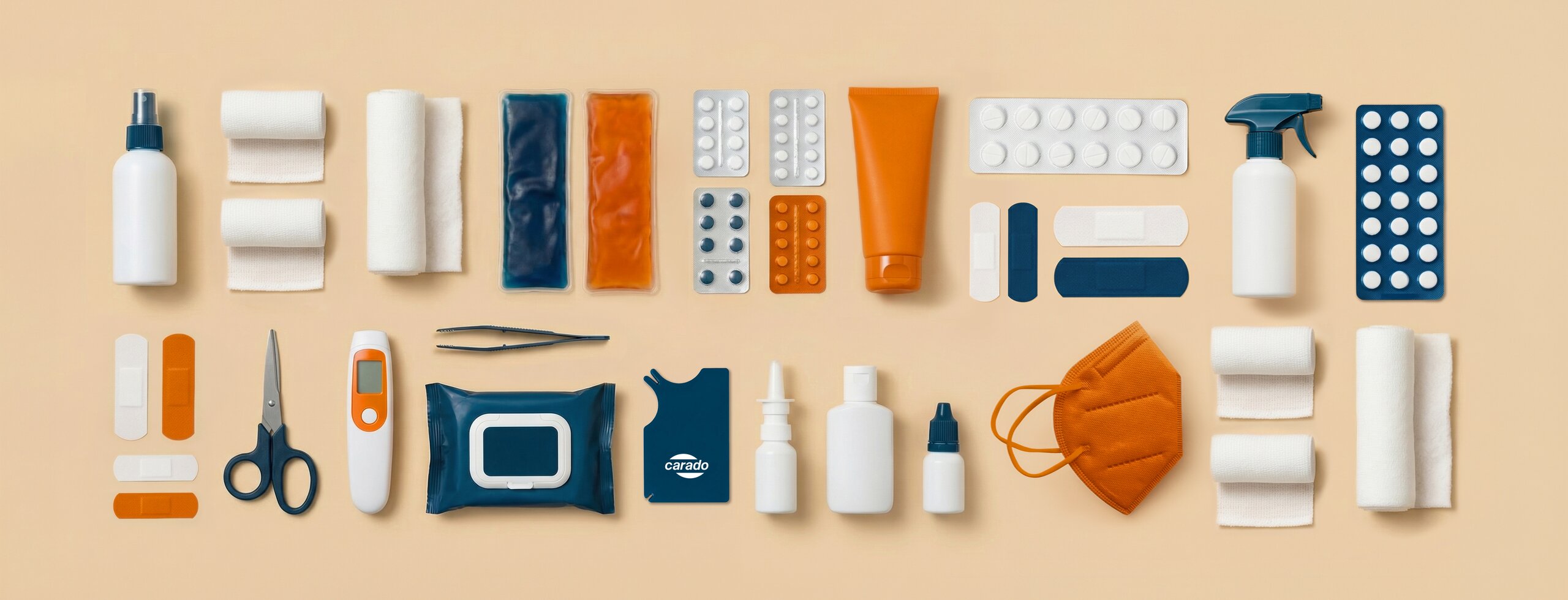
Travel Pharmacy Checklist for Your Motorhome & Camping Holiday
7 min. reading time

All you need — at a glance
Before departure
Before departure, the first-aid kit should be checked thoroughly once. Make sure you consider not only medicines, but also documents and personal circumstances such as allergies, existing medical conditions and regular medication.
-
Check expiry dates: replace expired medicines, creams and sprays
-
Check supplies: obtain missing items in good time
-
Plan personal needs: regular medicines plus a reserve for a few days
-
Pack important documents: allergy card, vaccination record, medication card, insurance details
-
Check your destination: consider recommended vaccinations and special requirements (e.g. malaria/mosquito protection) early on
-
Prepare emergency info: important contacts, notes on pre-existing conditions, emergency medication clearly visible
Tip: Place a small note in the box (allergies, medicines, emergency numbers) – this way you'll find everything faster in stressful situations.
What should be in your travel first-aid kit?
Your travel kit should be packed to cover typical situations on the road: pain, stomach upsets, colds, minor wounds — plus practical everyday helpers.
- Care essentials (Pflegeprodukte): Painkillers and fever reducers, remedies for cough, cold and sore throat, antihistamines, lubricating eye drops, treatments for insect bites (preferably products you already tolerate).
- For stomach and digestion: remedies for diarrhoea, nausea or motion sickness, heartburn relief, electrolyte solution.
- Care products: Wound care — antiseptic for wounds, sterile compresses, adhesive plasters (various sizes), wound dressings, bandaging material, elastic bandages, triangular bandage, burn ointment or cooling burn gel (disposable gloves if needed)
- Handy travel helpers: Tweezers, tick card/tick remover, small scissors, fever thermometer, earplugs, electronic bite reliever.
- Skincare & sun: blister plasters, sunscreen, after‑sun or cooling gel, sunburn relief.
- Personal medication — bring your regular medicines in sufficient quantities (including a spare supply).
Tip: Save space by packing only the essentials. Items like after‑sun or simple ointments can often be bought locally depending on the destination. Always pack the irreplaceable items (regular medication, allergy medicine).
Travel equipment — Travel first-aid kit or car first-aid kit? Choose the right one for your journey
Please remember that your travel medical kit does not replace the legally required vehicle first-aid kit (DIN 13164). This must always be kept within easy reach on board your motorhome so that first aid can be given in the event of a road accident. The travel kit is only your personal supplement for health complaints at your holiday destination.
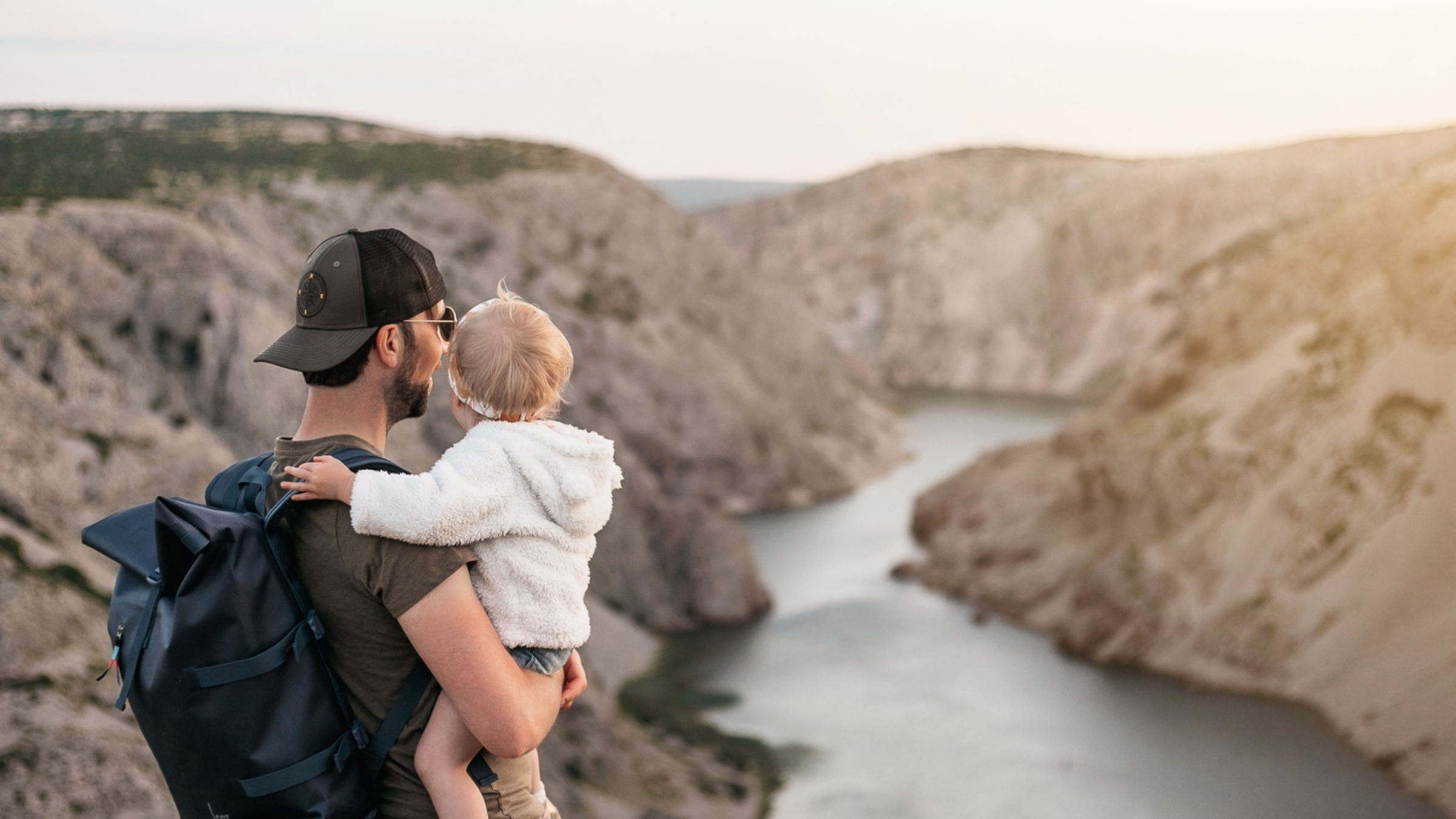
First-aid essentials for little travellers
When you're travelling with babies or children, a standard travel first-aid kit often isn't enough. Make sure you pack age-appropriate items that can help quickly in common situations.
- For fever and pain: child-friendly fever syrup or suppositories (appropriate for age/weight)
- For stomach upsets and diarrhoea: rehydration solution for children and child-friendly remedies for diarrhoea or tummy ache
- For colds: nasal spray for children or babies; nasal aspirator if needed.
- Care essentials for skin & small wounds: Children's plasters, wound & healing ointment, cooling pads
- Outdoors safely: sun and tick protection for children
- For babies, add: soothing cream for skin irritations, disinfectant wipes and, if needed, a spare baby thermometer.
Tip: Always take the correct measuring device with liquid children's medicines so you can administer doses easily on the go, in accordance with the package leaflet.
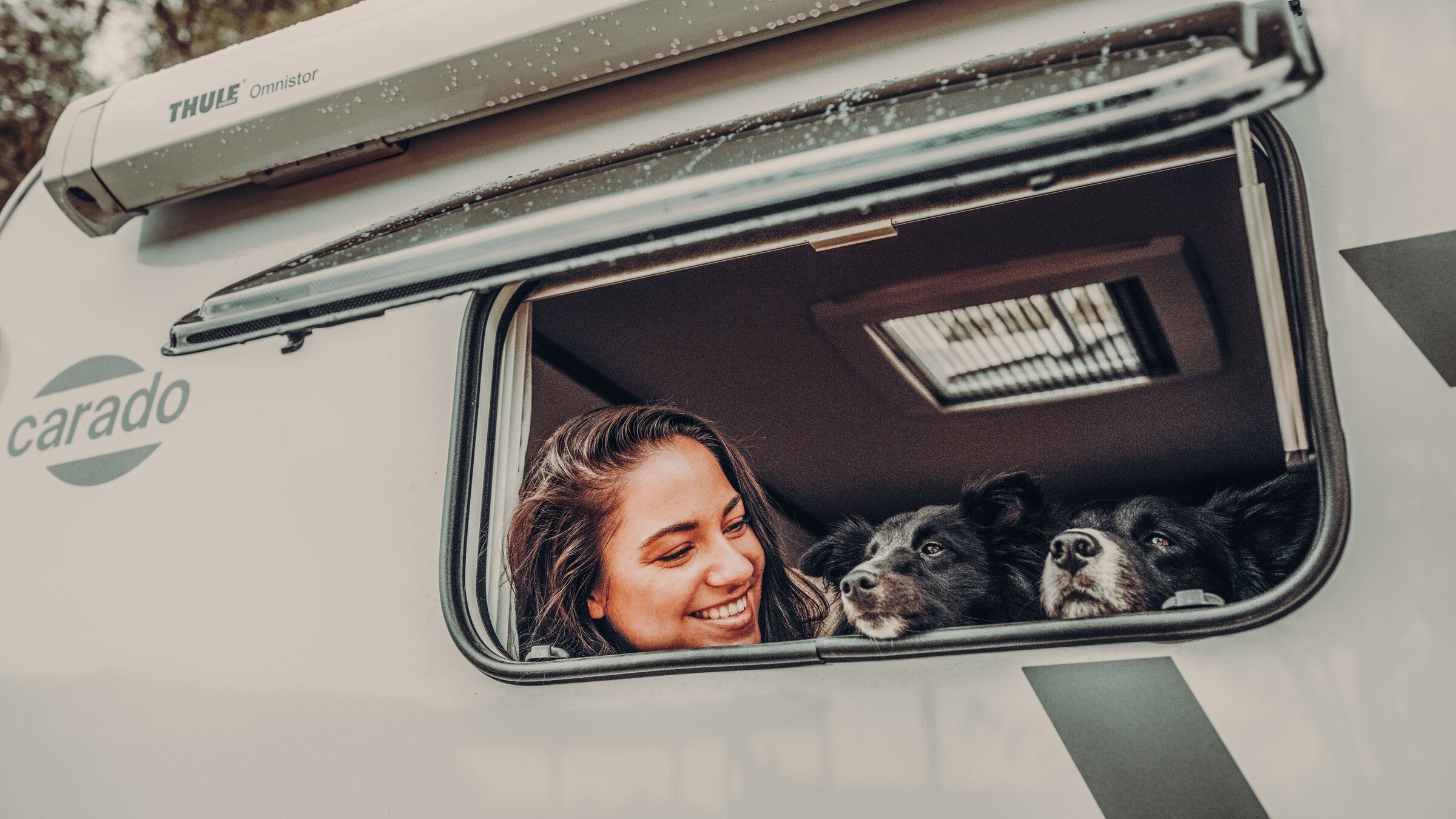
Dog travel first-aid kit
If you’re travelling with your dog, pack a small canine travel first-aid kit — especially for ticks, minor injuries and hot surfaces.
- Insect protection — Tick protection: tick card / tweezers
- For minor injuries: antiseptic spray, dressings, padded bandage, tweezers
- Care products — On the road: paw balm for hot surfaces, eye wash solution
- Emergency essentials: muzzle (if required), pet passport with vaccination records
Tip: Before you travel, note down the address and phone number of a veterinary practice at your holiday destination or nearby.
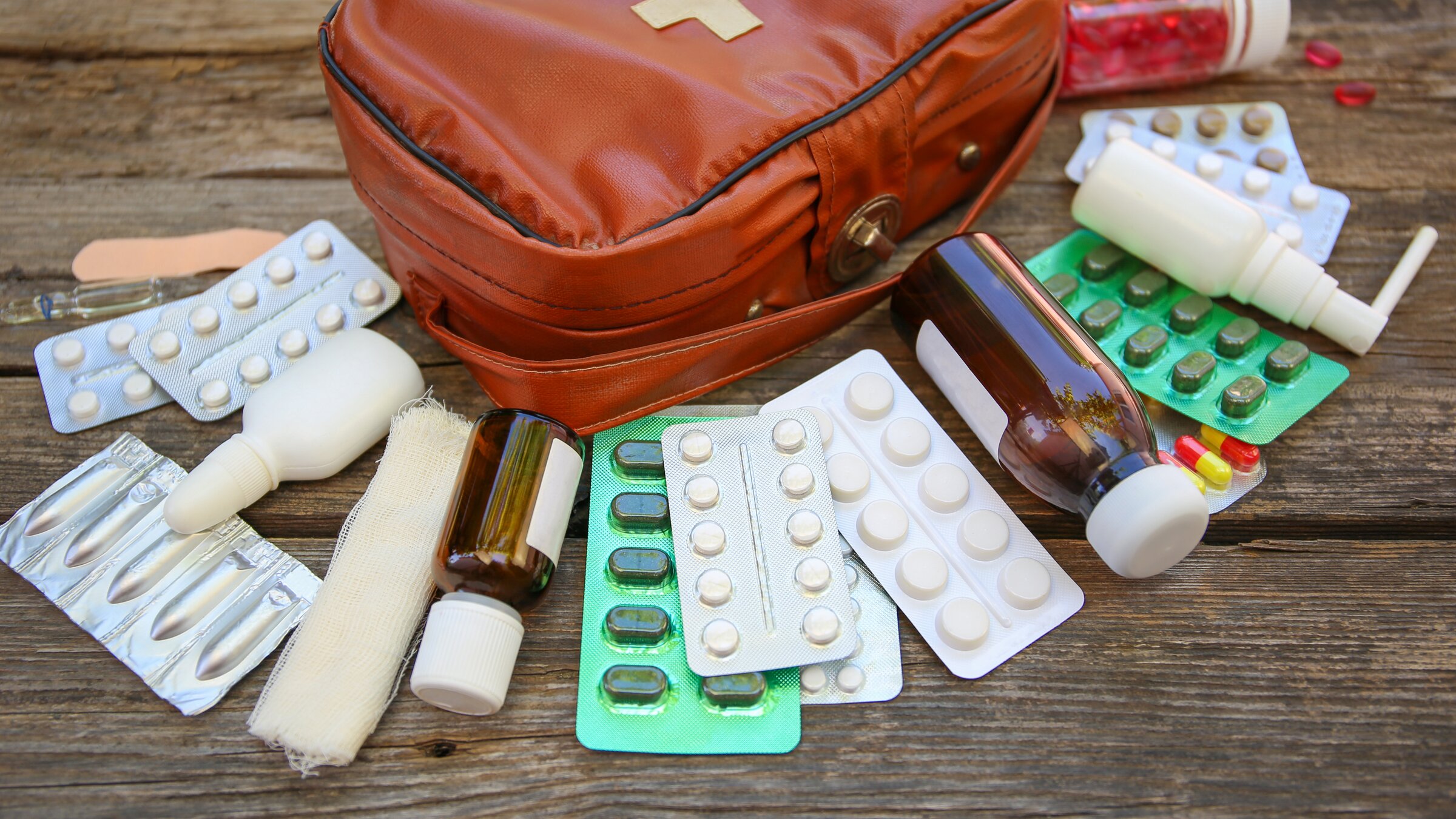
Travel Medicine Kit: How to Pack and Store Your Medication Safely
To keep your medicines effective on the road, store them correctly and stow them securely. In a motorhome you need to protect them especially from heat, light, moisture, large temperature swings and movement while driving. These tips will help you keep your travel first-aid kit in top condition:
- Store smart: Avoid warm storage areas (the cab, window areas or overhead lockers). Because warm air rises in a motorhome, the safest place is a low-level drawer or a storage compartment near the vehicle’s floor.
- Protect medicines from the sun: never leave them in direct sunlight. Insulated pouches or a sunshade help keep your medicines cool and effective.
- Medicines that must be kept cool: Some medicines, for example insulin, require cold storage to remain stable. Store them in a suitable Gefrierfach (see FAQ) or in a dedicated cool bag.
- Stow securely — no breakages, no leaks: Store delicate items (like bottles and tubes) in a sturdy, lockable box whilst driving.
- Keep the original packaging: Wherever possible, keep medicines in their original packaging. That way important information such as the name, the dosage and the expiry date remains clearly visible at all times.
Practical storage options
If medicine boxes take up too much space, keep the tablets in their protective blister packs and simply fold the empty cardboard boxes flat. This saves a lot of room while keeping the important package leaflets with you.
Tailor your travel first-aid kit to your destination
Your travel first-aid kit should always suit the type of trip. Depending on the region and your plans, prioritise different items when you pack:
- Southern Europe (e.g. Croatia, Italy): Here the focus is clearly on strong heat protection, reliable insect protection and cooling after‑sun care for sunburn.
- Scandinavia (e.g. Norway, Sweden): In the northern wilderness, the next pharmacy is often a long way off. Make sure you include a larger supply of your basic and regular medications in your travel kit.
- Alps & mountains (e.g. Austria, Switzerland): For active holidaymakers and hikers, blister plasters, elastic bandages and a sports balm for sprains are essential. A tick remover should also be kept within easy reach on walks through woods and meadows.
- Long-distance travel: Check recommended vaccinations in good time and top up your medical kit with remedies for stomach upsets and plenty of hygiene supplies.
- Winter travel: When camping in winter, soothing remedies for colds and a specially rich protective skincare are essential parts of your camping equipment.
Tip: If you're travelling to your destination by ferry, keep effective remedies for travel or seasickness (e.g. travel chewing gum) within easy reach in your hand luggage or the cab — don’t store them deep inside the motorhome.
Emergency abroad? How to get medical help and medicine quickly
If your medication runs out or is lost while you're travelling, these basic rules will help:
- Active ingredient, not brand name: Always ask local pharmacies for the active ingredient (not the German trade name), as it is often different abroad.
- Prescription medicines: While many medicines are available abroad without a prescription, prescription medicines always require a visit to a local doctor. Always carry your medical certificate with you.
- Protect yourself from counterfeits: When abroad, buy medicines only from licensed pharmacies. Be wary of dubious market stalls or offers with suspiciously low prices.
- Local help when you matter: Keep your travel insurance numbers and emergency contacts close at hand. Don’t hesitate to ask locals or your campsite reception to help you find a doctor.
Ready to set off?
Download our motorhome travel first-aid checklist as a clear PDF — ready to print or tick off digitally. It helps you keep track when packing medications and first-aid supplies, work through the important family checks step by step, and start your trip with the reassuring feeling that you’re well prepared for minor ailments on the road.
Travel first-aid kit — Practical answers for worry‑free travel
-
If you keep medicines in the fridge, never place them directly against the back wall (risk of freezing) or in the fridge door. The frequent opening and closing during everyday camping causes large temperature fluctuations there. Store medicines in a separate, lockable box in the vegetable drawer — this also prevents contact with food.
-
Have all important documents to hand: an allergy card, your vaccination record and the details of your (overseas) health insurance. A doctor's medication plan listing the exact active ingredient names is also very helpful. Brand names from Germany are often not available abroad, but with the international (non‑proprietary) name any pharmacy worldwide can provide an appropriate substitute.
-
Because at idyllic pitches in nature or abroad you often don’t have quick access to a pharmacy. With a well-prepared travel first-aid kit you can treat typical camper niggles — mosquito bites, minor grill burns or travel sickness — straightaway yourself and continue enjoying your holiday carefree.


